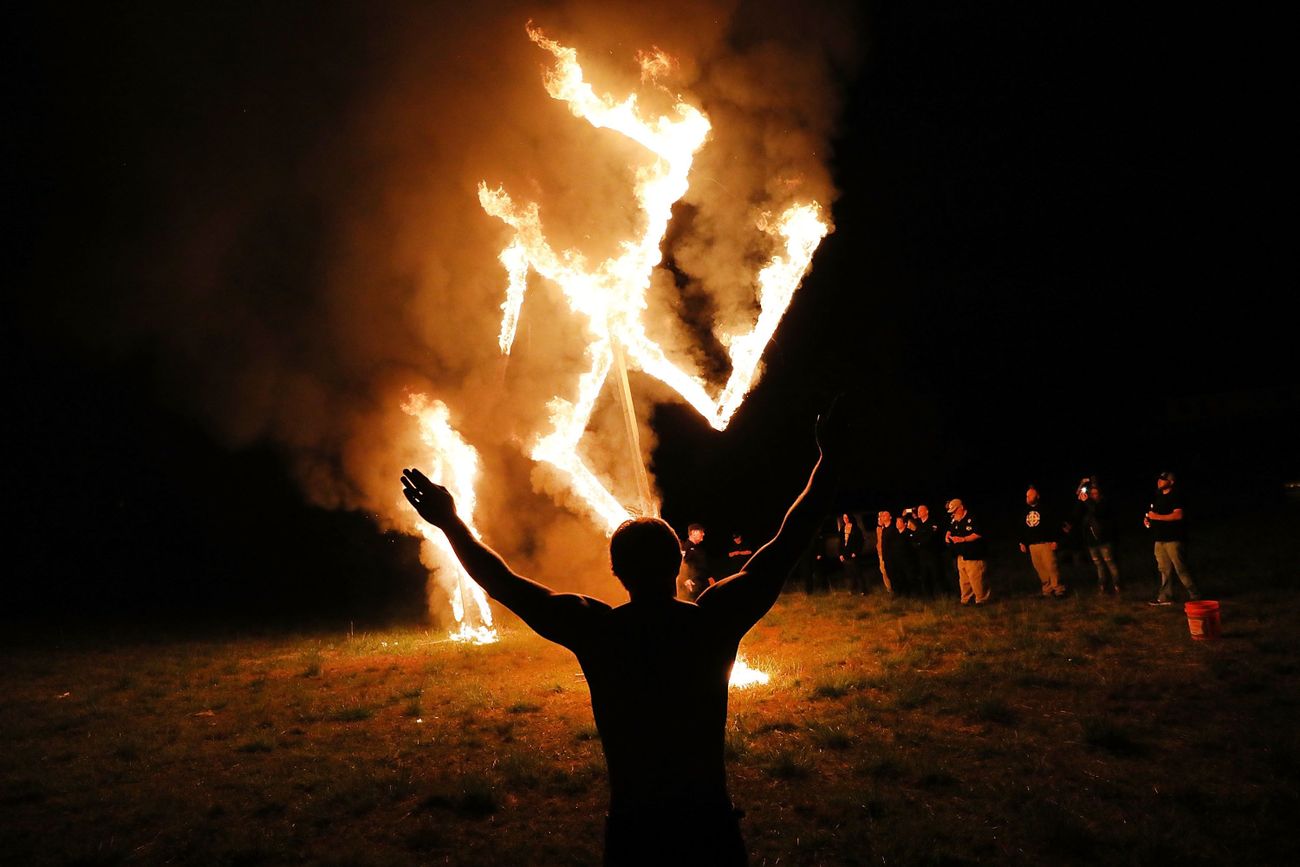
The question, "Why do people hate Jews?", probes one of history's most persistent and perplexing enigmas. Anti-Semitism, the prejudice, discrimination, or hatred directed at Jews, has manifested in myriad forms across millennia, leaving an indelible mark on civilizations and countless lives. From ancient decrees to modern conspiracy theories, the targeting of Jewish communities has been a recurring tragedy, yet one that has consistently met with an equally remarkable resilience.
To truly decode anti-Semitism, we must embark on a journey through history, examining its shifting rationales, its cultural propagation, and the profound paradox of Jewish survival against overwhelming odds. It's a phenomenon that has puzzled thinkers for centuries, including celebrated figures like Mark Twain, who famously mused on the enduring mystery of Jewish persistence, even as mighty empires crumbled around them. What is it about this particular group that has provoked such consistent, often vitriolic, animosity, yet simultaneously inspired such enduring strength and continuity?
The Enduring Paradox: Persecution and Unprecedented Resilience
Few, if any, nations have faced the sheer scale and relentless intensity of persecution as the Jewish people. Their history is a stark tapestry woven with threads of exile, expulsion, pogroms, and genocide. Consider the timeline: subjugation under the Roman Empire, culminating in the destruction of the Second Temple and the dispersion of the Jewish people; the brutal expulsions from Spain during the Inquisition; the state-sponsored pogroms of the Russian Empire in the late 19th and early 20th centuries; and, of course, the unparalleled horror of the Holocaust orchestrated by Adolf Hitler and the Nazi regime, which sought the total annihilation of European Jewry.
Yet, the extraordinary truth is that the Jewish people have not only survived each of these existential threats but have, in many ways, emerged stronger, a living testament to an unparalleled resilience. This enduring presence amidst the ruins of empires led Mark Twain to ponder in "Concerning the Jews": "The Jews constitute but one percent of the human race... Properly, the Jew ought hardly to be heard of, but he is heard of, has always been heard of." He observed how mighty civilizations like the Egyptians, Babylonians, Greeks, and Romans rose to prominence only to fade into history, while the Jews, against all statistical probability, remained. "All things are mortal but the Jew; all other forces pass, but he remains. What is the secret of his immortality?"
The mystery deepens when we consider the fate of those who sought to destroy them. From Pharaoh to Hitler, many of history's most vehement persecutors of Jews ultimately sealed their own doom. It's as if, as the reference context suggests, a force greater than themselves compelled their destructive path, even when some, like Hitler himself, seemed to sense the indestructible nature of their intended victims. He wrote in Mein Kampf of a "fearful question whether inscrutable Destiny... did not, with eternal and immutable resolve, desire the final victory of this little nation." Despite this unsettling premonition, he pursued his genocidal quest, ultimately failing in his ultimate goal and securing his place as an archetype of evil.
This remarkable ability to endure, rebuild, and contribute to civilization even after unspeakable trauma is a core element in understanding the Jewish experience. To delve deeper into this phenomenon, explore The Enduring Mystery: Why Jews Survive Centuries of Hatred.
Historical Roots of Anti-Semitism: A Shifting Narrative
The reasons why people hate Jews have morphed dramatically throughout history, adapting to the socio-political and religious landscapes of various eras. What began as tribal animosity evolved into more complex forms, each iteration building upon or reinterpreting previous prejudices.
Religious Foundations
In the early centuries of Christianity, a profound schism with Judaism led to the development of powerful theological anti-Judaism. Jews were often blamed for the death of Jesus (the "deicide" charge), a narrative that fueled centuries of persecution, justifying their marginalization, forced conversions, and violence. This religious animosity frequently portrayed Jews as obstinate, blind to "truth," and agents of evil.
Economic Scapegoating
During the medieval period, as Christian doctrine prohibited usury (lending money with interest), Jews were often pushed into this profession. While it filled a critical economic need, it simultaneously made them vulnerable. They became convenient scapegoats for economic downturns, debt, or societal grievances. Stereotypes of Jews as greedy, cunning, and exploitative became deeply entrenched, often leading to expulsions and confiscation of wealth.
Racial and Nationalist Ideologies
The 19th and 20th centuries witnessed a dangerous shift from religious anti-Judaism to racial anti-Semitism. Pseudo-scientific theories emerged, categorizing Jews not as a religious group but as an inferior race. This reached its terrifying zenith with Nazism, which posited that Jews were a parasitic race inherently threatening to Aryan purity and global order. This ideology stripped Jews of their humanity, paving the way for the Holocaust. This progression of hatred, from ancient times to the modern era, is profoundly explored in From Pharaoh to Hitler: The Unbroken Resilience of the Jewish People.
Conspiracy Theories
A persistent thread throughout anti-Semitism's history is the notion of a secret Jewish cabal seeking to control the world. Works like The Protocols of the Elders of Zion, a fabricated text purporting to reveal a Jewish plan for global domination, have been widely circulated and believed, fueling paranoia and fear. These conspiracy theories persist today, often cloaked in anti-Zionist rhetoric, wrongly conflating Jewish people with the policies of the State of Israel.
The Cultural Perpetuation of Hatred: How Anti-Semitism Endures
Beyond historical events, a significant factor in understanding why people hate Jews lies in the cultural perpetuation of prejudice. As the reference context rightly points out, the society and culture we grow up in profoundly shape our beliefs. Anti-Semitism is often a learned behavior, absorbed from our environment, often without conscious awareness.
Learned Bias and Social Conditioning
Children are not born anti-Semitic; they learn it. This learning can occur through subtle cues: offhand remarks, stereotypes presented in media, or the casual acceptance of conspiracy theories within a social circle. If a society or subculture normalizes the idea that "Jews are different," or attributes negative traits to them, individuals are likely to internalize these biases. This is why Jews have often been "judged by different standards," revered, admired, or hated more intensely than almost any other group.
The Role of Media and Misinformation
In the digital age, the spread of misinformation and hate speech has accelerated dramatically. Online echo chambers can reinforce existing prejudices, making it easier for individuals to encounter and believe anti-Semitic tropes without critical scrutiny. Social media platforms, while connecting us globally, can also be powerful vectors for disseminating historical lies and fostering new forms of hatred.
Scapegoating and Projection
Psychologically, anti-Semitism often serves as a convenient outlet for societal frustrations and anxieties. When economic hardship, social change, or political instability arises, it's easier to blame a perceived "other" – historically, often the Jewish people – than to confront complex systemic issues. This projection allows individuals and groups to deflect their own shortcomings or fears onto a convenient target, reinforcing a narrative of Jewish malevolence.
Confronting Anti-Semitism: A Path Forward
Addressing the deeply entrenched question of why people hate Jews requires a multi-faceted approach centered on education, awareness, and active resistance. It's not enough to simply condemn anti-Semitism; we must understand its mechanisms and work to dismantle them.
- Education and Critical Thinking: This is paramount. Learning about Jewish history, culture, and the Holocaust is essential to challenging stereotypes and understanding the real-world consequences of hatred. Encouraging critical thinking skills helps individuals identify and question misinformation, rather than passively accepting it.
- Challenging Stereotypes: Actively confront and correct anti-Semitic stereotypes whenever they arise, whether in casual conversation, media, or online forums. Silence can be interpreted as complicity.
- Promoting Interfaith and Intercultural Dialogue: Building bridges between communities fosters understanding and empathy, breaking down barriers that prejudice thrives upon. Personal connections can powerfully counteract abstract hatred.
- Supporting Victims and Allies: Standing in solidarity with Jewish communities when they are targeted is crucial. Reporting anti-Semitic incidents and supporting organizations dedicated to combating hatred sends a clear message that such behavior is unacceptable.
- Self-Reflection for the Jewish Community: As the reference context suggests, anti-Semitism can serve as a "wake-up call." For Jewish people, understanding their unique history, identity, and profound purpose can be a source of immense strength and a guide for navigating contemporary challenges. This internal clarity is a powerful antidote to external hatred.
In conclusion, the question of "Why do people hate Jews?" remains complex, rooted in millennia of shifting religious, economic, racial, and cultural narratives. Anti-Semitism is a learned prejudice, often perpetuated through societal conditioning and misinformation, and it thrives on fear and ignorance. While the resilience of the Jewish people has consistently defied attempts at their annihilation, the fight against anti-Semitism is an ongoing one. It demands vigilance, education, and a commitment from all of us to challenge hatred in all its forms, striving for a world where understanding triumphs over prejudice and difference is celebrated, not demonized.